Embarking on a low-fat dietary journey involves prioritizing nutrient-rich foods like fruits‚ vegetables‚ and legumes‚ while consciously minimizing fat intake for optimal health benefits․
What is a Low-Fat Diet?
A low-fat diet strategically limits fat consumption‚ typically aiming for less than 30% of daily calories from fat sources․ This approach isn’t about eliminating fat entirely‚ but rather focusing on choosing healthier fat types and controlling portion sizes; Core components include abundant fruits‚ vegetables‚ and legumes – naturally low in fat and packed with essential nutrients․
Consider incorporating low-fat cereal foods like bread‚ oats‚ rice‚ and pasta‚ though mindful sugar intake is crucial․ Utilizing low-fat cooking methods‚ such as steaming‚ is also key․ It’s about making informed food choices‚ understanding fat content in common foods‚ and utilizing resources like the Dietitians of Canada’s low-fat patient resource for guidance․
Benefits of a Low-Fat Diet
Adopting a low-fat diet can yield significant health advantages‚ primarily centered around cardiovascular well-being․ Reducing fat intake‚ especially saturated and trans fats‚ contributes to lower cholesterol levels‚ decreasing the risk of heart disease and stroke․ Weight management is another key benefit‚ as fat is calorie-dense; reducing it aids in achieving and maintaining a healthy weight․
Furthermore‚ a focus on fruits‚ vegetables‚ and whole grains – staples of a low-fat plan – provides essential vitamins‚ minerals‚ and fiber․ This dietary pattern supports improved digestion and overall nutritional status․ Resources like budget-friendly eating guides can help make this lifestyle accessible‚ while understanding fat content in foods empowers informed choices․
Core Food Groups for a Low-Fat Diet
A successful low-fat approach centers on abundant fruits‚ vegetables‚ whole grains‚ and lean protein sources‚ forming the foundation of a balanced‚ healthful eating plan․
Fruits: Naturally Low in Fat
Fruits are inherently low in fat‚ making them an excellent and delicious component of any low-fat diet plan․ They provide essential vitamins‚ minerals‚ and fiber‚ contributing to overall health and well-being․ Enjoy a wide variety‚ including apples‚ bananas‚ oranges‚ berries‚ melons‚ and peaches – all naturally fat-free! Incorporating fruits into meals and snacks can satisfy sweet cravings without compromising your dietary goals․
Consider fresh‚ frozen‚ or canned fruits (packed in water or juice‚ not syrup) for convenience․ Fruits offer a natural sweetness and can be used in smoothies‚ salads‚ or enjoyed as a standalone snack․ Prioritizing fruit intake supports a healthy lifestyle and contributes to a balanced‚ low-fat eating pattern․
Vegetables: The Foundation of a Low-Fat Plan
Vegetables should form the cornerstone of a successful low-fat diet‚ offering a wealth of nutrients with minimal fat content․ Embrace a colorful array of options – from leafy greens like spinach and kale to cruciferous vegetables like broccoli and cauliflower‚ and root vegetables like carrots and potatoes․ They are virtually fat-free when prepared without added fats․
Enjoy vegetables steamed‚ raw‚ boiled‚ or baked‚ ensuring no extra fat is introduced during cooking․ They provide essential fiber‚ promoting satiety and aiding digestion․ Incorporate them into every meal‚ whether as a side dish‚ in soups and stews‚ or as a base for salads․ Prioritizing vegetables is key to achieving and maintaining a healthy‚ low-fat lifestyle․
Grains: Choosing Wisely
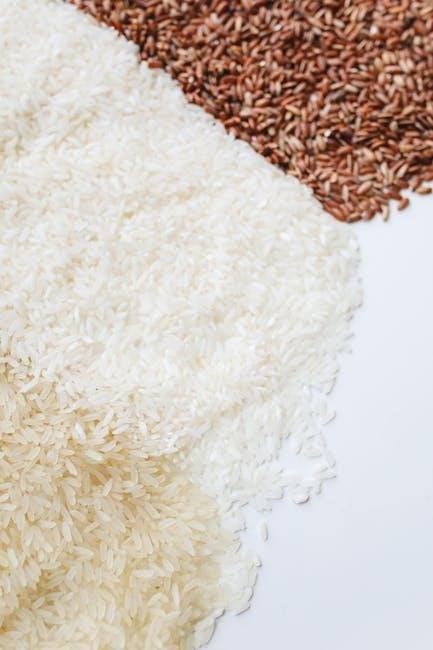
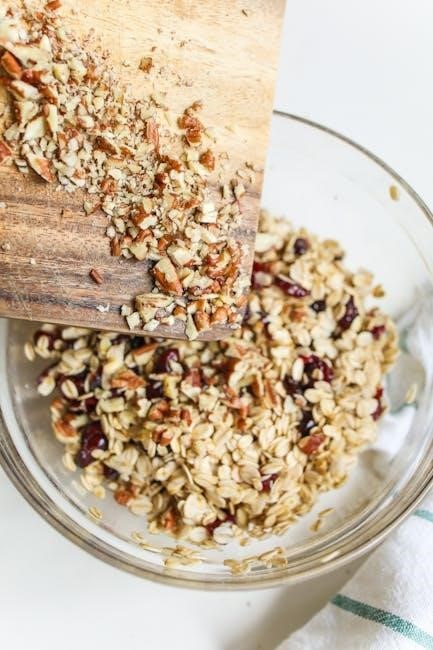
When incorporating grains into a low-fat diet‚ mindful selection is crucial․ Bread and flour‚ oats‚ rice‚ and pasta can be low in fat‚ but be cautious of added sugars and refined ingredients․ Opt for whole-grain varieties whenever possible‚ as they offer increased fiber and nutritional value․ Plain pasta and barley are excellent choices‚ providing sustained energy without excessive fat․
Homemade pancakes‚ prepared without added fats‚ can also fit into a low-fat plan․ Be mindful of portion sizes‚ as even healthy grains contribute calories․ Avoid heavily processed cereals‚ which often contain hidden fats and sugars․ Prioritize whole‚ unprocessed grains to maximize the benefits and support your low-fat dietary goals․
Low-Fat Cereal Foods (Bread‚ Oats‚ Rice‚ Pasta)
Selecting low-fat cereal foods requires careful label reading․ Bread and flour products should be chosen based on minimal added fats; whole-wheat options are preferable․ Oats‚ particularly oatmeal prepared with water instead of milk‚ are naturally low in fat and high in fiber․ Rice‚ in its natural state‚ is also a good choice‚ but avoid pre-seasoned or fried rice dishes․
Pasta‚ especially plain pasta‚ provides a versatile base for low-fat meals․ However‚ be mindful of sauces‚ as they often contain hidden fats․ Limit creamy or cheese-based sauces and opt for tomato-based or vegetable-rich alternatives․ These cereal foods‚ when prepared thoughtfully‚ can be a cornerstone of a healthy‚ low-fat diet․
Protein Sources: Lean Options
Prioritizing lean protein sources is crucial for a successful low-fat diet․ These options provide essential amino acids without contributing excessive amounts of dietary fat․ Focusing on choices like skinless poultry – chicken and turkey breast are excellent – ensures a significant protein intake with minimal fat․ Fish‚ particularly fatty fish‚ can be included in moderation due to their beneficial omega-3 fatty acids‚ but portion control is key․
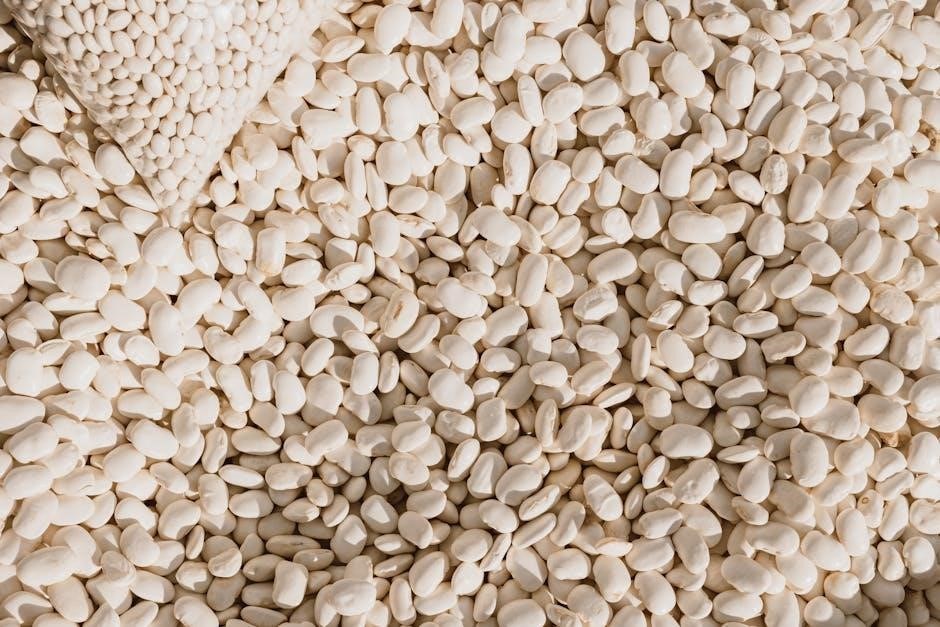
Legumes‚ encompassing beans‚ lentils‚ and peas‚ are plant-based powerhouses‚ offering both protein and fiber․ They are naturally low in fat and contribute to feelings of fullness․ Incorporating these diverse protein sources into your meals supports muscle maintenance and overall health while adhering to a low-fat eating plan․
Poultry (Skinless Chicken & Turkey)
Skinless chicken and turkey represent excellent lean protein choices for a low-fat diet․ Removing the skin dramatically reduces the fat content‚ making these poultry options significantly healthier․ Both chicken and turkey breast are particularly lean‚ providing a substantial amount of protein per serving without excessive calories from fat․
Preparation methods are also vital; baking‚ grilling‚ or steaming are preferred over frying to maintain the low-fat profile․ These versatile proteins can be incorporated into a wide variety of dishes‚ from salads and stir-fries to sandwiches and main courses‚ offering a flavorful and satisfying way to meet protein needs while adhering to dietary guidelines․
Fish (Especially Fatty Fish in Moderation)
Fish is a valuable addition to a low-fat diet‚ offering lean protein and beneficial omega-3 fatty acids․ While generally low in fat‚ certain fish are considered “fatty” – such as salmon‚ mackerel‚ and tuna – and should be consumed in moderation․ These fatty varieties‚ though healthy due to their omega-3 content‚ contribute more fat calories than leaner options like cod‚ haddock‚ or flounder․
Prioritize baking‚ grilling‚ or steaming fish to avoid adding extra fat during cooking․ Incorporating fish two to three times per week provides essential nutrients without significantly compromising a low-fat eating plan․ Remember portion control is key‚ even with the healthier fatty fish varieties‚ to maintain a balanced intake․
Legumes (Beans‚ Lentils‚ Peas)
Legumes – encompassing beans‚ lentils‚ and peas – are nutritional powerhouses and excellent protein sources within a low-fat dietary framework․ Naturally low in fat‚ they are also rich in fiber‚ promoting satiety and aiding digestion․ This makes them incredibly valuable for weight management and overall health․ They offer a substantial plant-based protein alternative to higher-fat meat options․
Versatility is a key benefit; legumes can be incorporated into soups‚ stews‚ salads‚ or served as a side dish․ When preparing legumes‚ avoid adding excessive fats during cooking․ Focus on seasoning with herbs and spices for flavor․ Regularly including legumes in your meals contributes to a well-rounded‚ low-fat‚ and nutrient-dense diet․
Foods to Limit or Avoid on a Low-Fat Diet
Minimize high-fat meats‚ full-fat dairy‚ fried foods‚ and processed items containing hidden fats to successfully adhere to a health-conscious‚ low-fat plan․
High-Fat Meats
When following a low-fat diet‚ significantly reducing or eliminating high-fat meats is crucial․ These meats contribute substantial amounts of saturated fat‚ which can negatively impact cardiovascular health․ Commonly cited examples include fatty cuts of beef‚ pork (especially bacon and sausage)‚ and processed meats like salami and hot dogs․ These options often contain visible marbling and higher overall fat content per serving․
Instead of these‚ prioritize lean protein sources․ The provided resources emphasize choosing alternatives like skinless poultry‚ fish (in moderation‚ focusing on those lower in saturated fat)‚ and plant-based proteins such as legumes․ Careful attention to portion sizes is also important‚ even with leaner meats‚ to maintain a low-fat intake․ Regularly consulting a food list or handout can aid in making informed choices․
Full-Fat Dairy Products
A cornerstone of a low-fat diet involves minimizing consumption of full-fat dairy products․ Items like whole milk‚ cream‚ full-fat cheese‚ and butter are high in saturated fat‚ directly contradicting the diet’s goals․ These contribute significantly to overall fat intake and can hinder progress towards improved health outcomes․ The provided resources highlight the importance of making mindful substitutions․
Opt for low-fat or fat-free alternatives whenever possible․ This includes skim milk‚ low-fat yogurt‚ and reduced-fat cheeses․ Be cautious of hidden fats in dairy-based sauces and dressings․ Utilizing a detailed food list‚ such as those available as PDF handouts from Dietitians of Canada‚ can help identify and avoid high-fat dairy options‚ ensuring adherence to the dietary plan and promoting healthier choices․
Fried Foods & Fast Food
Fried foods and fast food are generally very high in fat content‚ making them significant obstacles on a low-fat diet․ The frying process itself adds substantial amounts of fat‚ and fast food often utilizes oils high in saturated and trans fats․ These contribute to increased calorie intake and negatively impact cardiovascular health‚ directly opposing the benefits of a low-fat approach․
Avoiding these options is crucial․ Resources like the Dietitians of Canada low-fat patient resource PDF emphasize limiting or eliminating fried items‚ gravies‚ and many fast-food choices․ Careful review of food labels and utilizing a comprehensive low-fat food list are essential for identifying hidden fats in seemingly innocuous fast-food meals․ Prioritizing home-cooked meals allows for greater control over ingredients and cooking methods․
Processed Foods with Hidden Fats
Processed foods frequently contain surprisingly high levels of hidden fats‚ posing a challenge for those following a low-fat diet․ Many commercially prepared items‚ even those not overtly “fatty‚” utilize fats during manufacturing to enhance texture‚ flavor‚ and shelf life․ This includes seemingly healthy options like baked goods‚ sauces‚ and even some cereals․
Careful label reading is paramount․ Pay close attention to the total fat content per serving‚ and scrutinize ingredient lists for hidden fat sources like oils‚ shortening‚ and cream; Resources‚ such as budget-friendly low-fat eating guides‚ highlight the importance of choosing whole‚ unprocessed foods whenever possible․ A detailed low-fat food list PDF can aid in identifying products to limit‚ and prioritizing fresh ingredients for home cooking is highly recommended․
Understanding Fats: Good vs․ Bad
Distinguishing between unsaturated (healthy) and saturated/trans fats (to avoid) is crucial; a low-fat diet food list PDF helps navigate these choices effectively․
Unsaturated Fats (Healthy Fats)
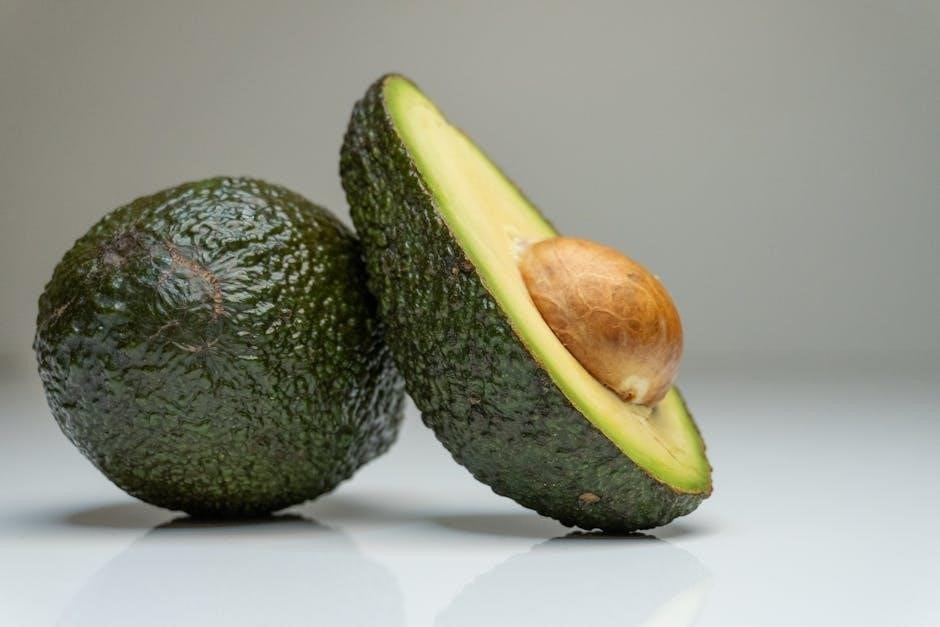
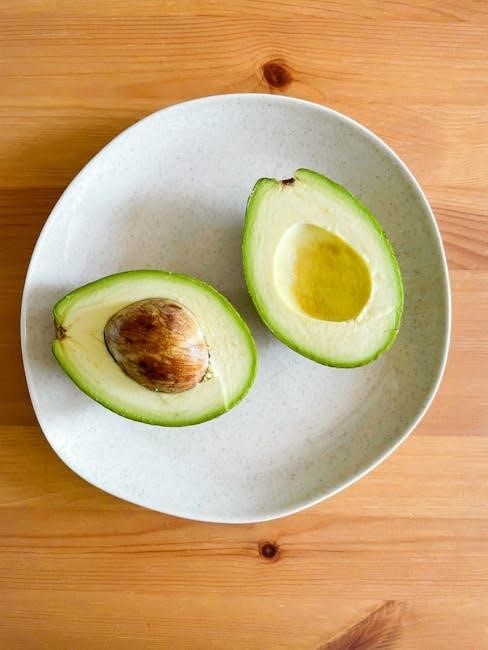
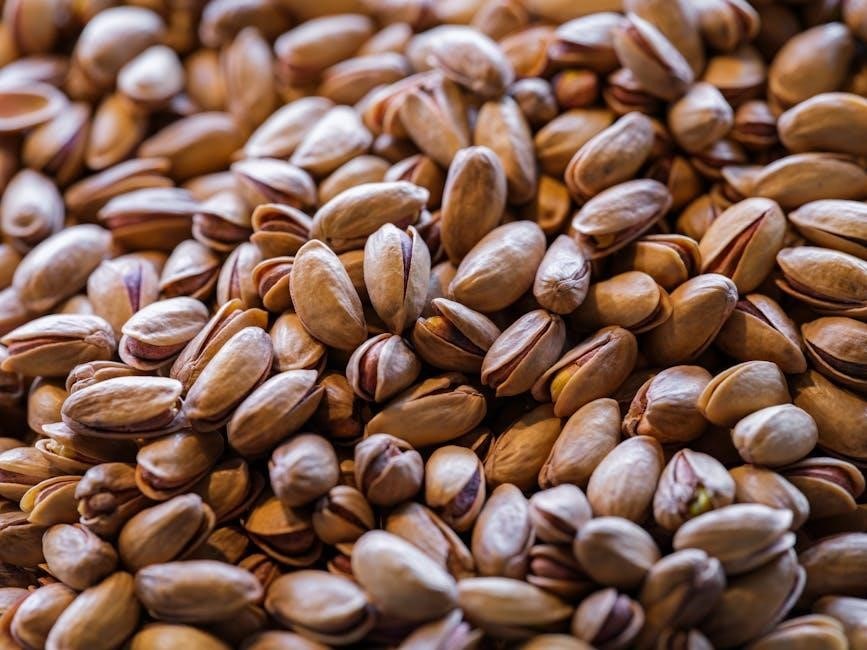
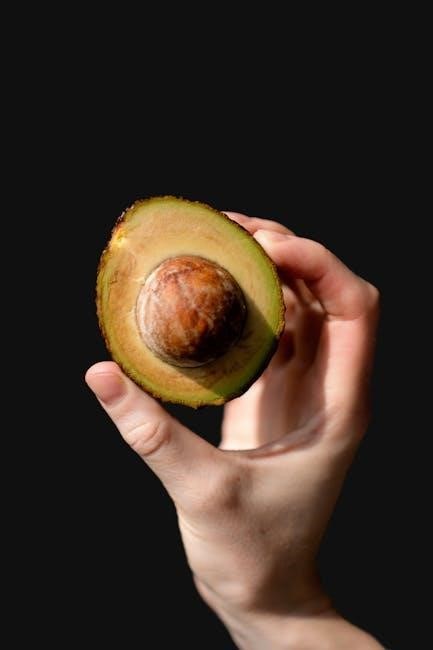
Unsaturated fats‚ primarily sourced from vegetables‚ nuts‚ and fruits‚ are considered beneficial for overall health when consumed in moderation as part of a balanced low-fat diet․ These fats can positively influence cholesterol levels and support cardiovascular function․ A comprehensive low-fat diet food list PDF will often highlight sources like avocados‚ olive oil‚ and certain types of fish – particularly those categorized as ‘fatty fish’ but recommended in limited portions․
It’s important to remember that even healthy fats contribute to caloric intake‚ so portion control remains vital․ Utilizing a food list PDF can assist in tracking fat consumption and ensuring adherence to dietary goals․ Prioritizing unsaturated fats over saturated and trans fats is a cornerstone of a heart-healthy‚ low-fat eating plan‚ promoting well-being and disease prevention․
Saturated and Trans Fats (Fats to Avoid)
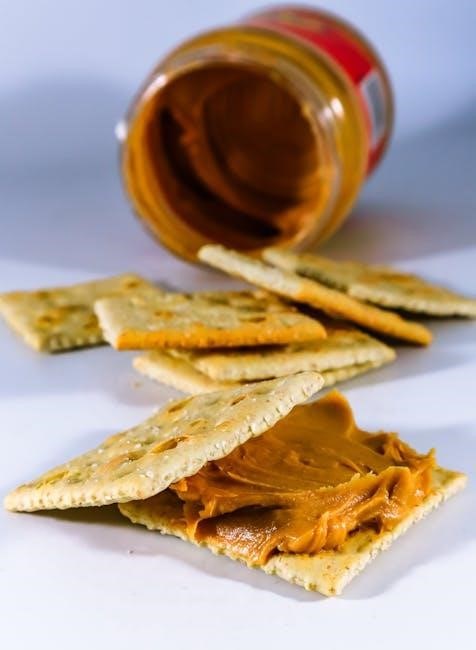
A crucial aspect of a low-fat diet‚ detailed in any comprehensive food list PDF‚ is the strict limitation – or complete avoidance – of saturated and trans fats․ Trans fats are particularly detrimental and have no place in a healthy eating pattern․ These fats are commonly found in fried foods‚ processed snacks‚ and some commercially baked goods․ Saturated fats‚ prevalent in high-fat meats and full-fat dairy‚ should also be minimized․
A helpful low-fat diet food list PDF will clearly identify foods high in these undesirable fats․ Reducing intake helps lower LDL (“bad”) cholesterol levels‚ reducing the risk of heart disease․ Careful label reading is essential‚ as hidden fats can lurk in unexpected places․ Prioritizing lean protein sources and low-fat alternatives is key to success․
Low-Fat Cooking Methods
Employing techniques like steaming‚ baking‚ and grilling preserves flavor while minimizing added fats‚ aligning perfectly with principles outlined in a low-fat diet food list PDF․
Steaming
Steaming is a remarkably gentle cooking method‚ ideal for preserving both the flavor and nutritional value of vegetables – a cornerstone of any effective low-fat diet‚ as highlighted in many a low-fat diet food list PDF․ This technique utilizes the heat of boiling water to cook food‚ but crucially‚ the food doesn’t directly contact the water‚ preventing nutrient leaching․
It’s exceptionally versatile‚ working beautifully with broccoli‚ carrots‚ green beans‚ and even fish․ To steam‚ simply place food in a steamer basket over simmering water‚ cover‚ and cook until tender-crisp․ No added fats are required‚ making it a perfect choice for those meticulously following a low-fat eating plan․ Furthermore‚ steaming retains vibrant colors and textures‚ enhancing the appeal of healthy meals․ It’s a simple‚ healthy‚ and effective way to prepare food․
Baking
Baking offers a fantastic method for preparing low-fat meals‚ particularly when adhering to guidelines found in a comprehensive low-fat diet food list PDF․ Unlike frying‚ baking requires minimal added fats․ Lean proteins like skinless chicken or fish bake beautifully‚ retaining moisture and flavor without the need for oil․
Vegetables also excel when baked; roasting brings out their natural sweetness․ When baking‚ consider using parchment paper to prevent sticking and further reduce fat usage․ For baked goods‚ explore recipes that substitute applesauce or mashed bananas for oil or butter․ Remember to monitor portion sizes‚ even with healthy baked items․ Baking provides a versatile and relatively healthy cooking option‚ aligning well with low-fat dietary principles and promoting delicious‚ guilt-free meals․
Grilling
Grilling stands out as an excellent low-fat cooking technique‚ perfectly complementing a low-fat diet food list PDF’s recommendations․ The process inherently allows excess fat to drip away from the food‚ resulting in a leaner meal․ Lean protein sources‚ such as skinless chicken breast‚ turkey‚ and fish‚ are particularly well-suited for grilling․
Vegetables also become incredibly flavorful when grilled‚ developing a slightly charred texture․ To minimize fat addition‚ marinate meats and vegetables in low-fat dressings or citrus-based marinades․ Avoid basting with oil-based sauces during grilling․ Utilizing grilling as a primary cooking method supports a healthier lifestyle‚ aligning with the principles of reducing fat intake and enjoying delicious‚ wholesome foods as outlined in dietary resources․
Resources for Low-Fat Meal Planning (PDF Handouts)
Access valuable PDF handouts from Dietitians of Canada and budget-friendly guides‚ offering comprehensive support for implementing a low-fat diet effectively․
Dietitians of Canada Low-Fat Patient Resource
This comprehensive resource‚ adapted for patient use‚ provides detailed guidance on navigating a low-fat dietary approach․ It meticulously outlines the fat content of numerous common foods and beverages‚ empowering individuals to make informed choices․ The handout specifically details portion sizes and corresponding fat levels‚ facilitating accurate tracking and mindful consumption․
Furthermore‚ it offers practical advice on selecting low-fat alternatives for everyday items‚ like margarine versus fried foods‚ and highlights the importance of limiting added fats during cooking․ The resource emphasizes the detrimental effects of trans fats‚ advocating for their complete elimination from the diet․ It champions unsaturated fats found in vegetables‚ nuts‚ and fruits‚ while advising moderation in daily fat servings – aiming for five or fewer․ This valuable PDF serves as a cornerstone for successful low-fat meal planning․
Budget-Friendly Low-Fat Eating Guides
Accessing nutritious‚ low-fat meals doesn’t necessitate a hefty grocery bill․ These guides‚ available as downloadable resources‚ are specifically designed to help individuals and families embrace a healthier lifestyle without straining their finances․ The brochures offer practical strategies for purchasing‚ preparing‚ and enjoying low-fat foods affordably․
They emphasize prioritizing cost-effective staples like legumes (beans‚ lentils‚ peas)‚ whole grains (oats‚ rice‚ pasta)‚ and seasonal vegetables․ Guides detail how to maximize food budgets by planning meals‚ reducing food waste‚ and choosing economical protein sources like skinless poultry and fish․ These resources empower consumers to make smart choices‚ demonstrating that healthy eating and financial responsibility can coexist harmoniously‚ providing a practical low-fat diet food list․