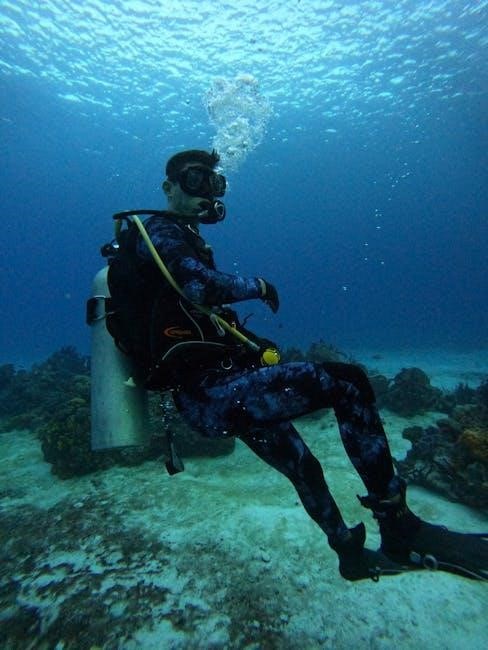
The U․S․ Navy Diving Manual is a comprehensive resource detailing all facets of diving, offering detailed guidance on operations and safety protocols for divers․
Historical Context and Evolution
The U․S․ Navy’s involvement with diving dates back to the 19th century, initially focused on salvage operations․ Early diving efforts relied on cumbersome surface-supplied systems․ Over decades, the manual evolved alongside technological advancements in diving equipment, reflecting lessons learned from wartime experiences – notably World War II, with its need for specialized underwater demolition teams․
Revision 7A, incorporating changes since December 2016, demonstrates a continuous refinement process․ The manual’s history mirrors the Navy’s increasing reliance on divers for ship husbandry, combat missions, and deep-sea exploration; It transitioned from basic salvage guidance to a detailed compendium covering decompression theory, oxygen toxicity, and advanced saturation diving principles, becoming a cornerstone of naval diving safety․
Purpose and Scope of the Manual
The U․S․ Navy Diving Manual serves as the definitive guide for all naval diving operations, establishing standardized procedures and safety protocols․ Its primary purpose is to minimize risk and ensure the well-being of divers engaged in a wide spectrum of underwater tasks․ The manual’s scope encompasses everything from routine ship maintenance – often termed “ship husbandry diving” – to complex combat diving techniques and specialized saturation diving․
It details equipment operation, decompression procedures, and emergency response protocols․ Furthermore, it provides critical information regarding diving physiology, including the management of oxygen toxicity and nitrogen narcosis․ The manual’s comprehensive nature makes it essential for both novice and experienced naval divers alike, ensuring operational effectiveness and safety․
Diving Physiology and Medicine
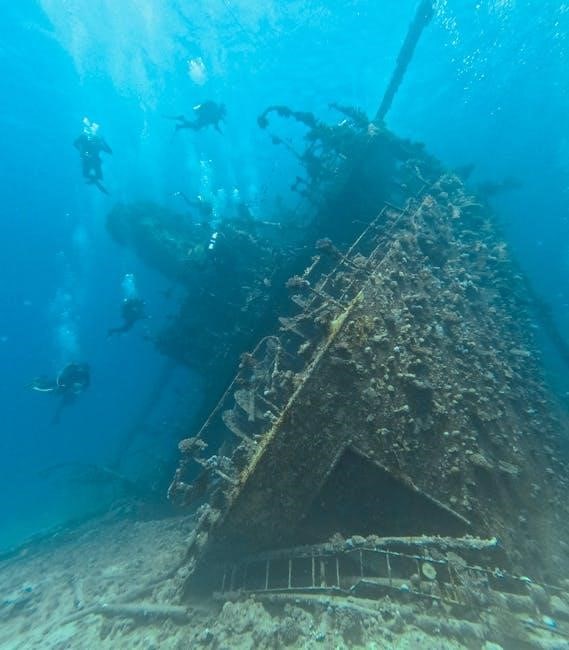
The U․S․ Navy Diving Manual meticulously covers the physiological effects of diving, including decompression sickness, oxygen toxicity, and the impacts of nitrogen narcosis․
Decompression Theory and Tables
The U․S; Navy Diving Manual dedicates significant attention to decompression theory, a critical aspect of safe diving practices․ It explains how inert gases, primarily nitrogen, dissolve into tissues during dives and the necessity of controlled ascent rates to prevent decompression sickness – often referred to as “the bends”․
The manual provides extensive decompression tables, meticulously calculated to guide divers through safe ascent profiles based on depth and bottom time․ These tables are essential tools, allowing divers to manage the release of dissolved gases and minimize the risk of bubble formation within the body․ Understanding these principles and utilizing the provided tables are paramount for all U․S․ Navy divers, ensuring mission success and diver well-being․
Oxygen Toxicity and Management
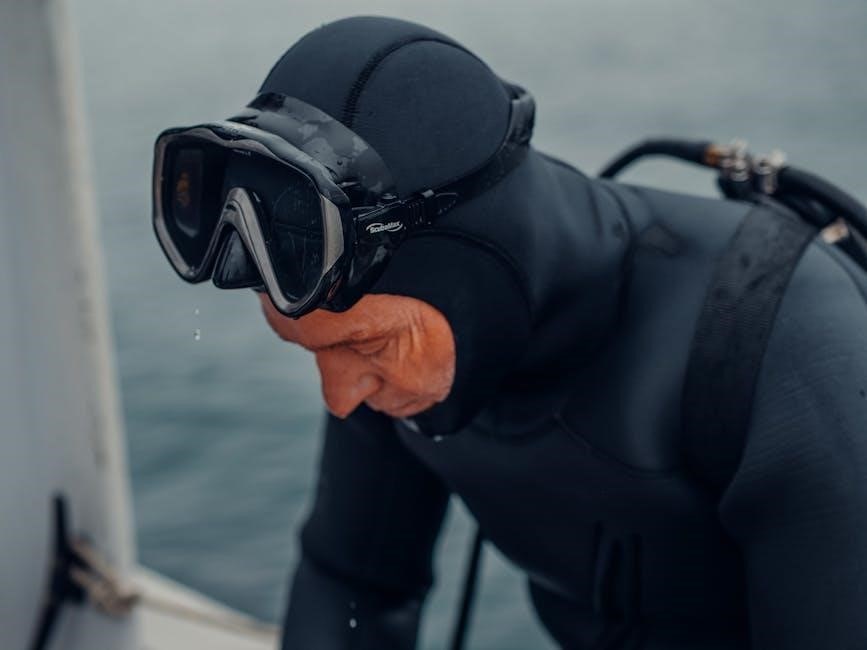
The U․S․ Navy Diving Manual thoroughly addresses the risks associated with oxygen toxicity, a potentially dangerous condition arising from breathing elevated partial pressures of oxygen․ The manual details how oxygen, while essential for life, can become toxic to the central nervous system and lungs under specific conditions encountered during diving operations․
It outlines the factors influencing oxygen toxicity, including partial pressure and exposure duration․ Crucially, the manual provides detailed procedures for recognizing the symptoms of oxygen toxicity – both central nervous system and pulmonary forms – and implementing immediate management strategies․ These strategies include reducing oxygen partial pressure and initiating appropriate medical intervention, ensuring diver safety during complex underwater tasks․
Nitrogen Narcosis and its Effects
The U․S․ Navy Diving Manual dedicates significant attention to nitrogen narcosis, often referred to as “rapture of the deep,” a reversible alteration in mental function resulting from increased nitrogen partial pressure at depth․ The manual explains how increased depth leads to greater nitrogen absorption into tissues, impacting neurological processes․
It details the varying effects of narcosis, ranging from mild euphoria and impaired judgment to significant cognitive dysfunction and potential loss of consciousness․ The manual provides guidance on recognizing the symptoms in oneself and fellow divers, emphasizing the importance of depth control and gas mixtures to mitigate risk․ Furthermore, it outlines procedures for managing a narcosis event, including controlled ascent and oxygen administration․
Diving Equipment
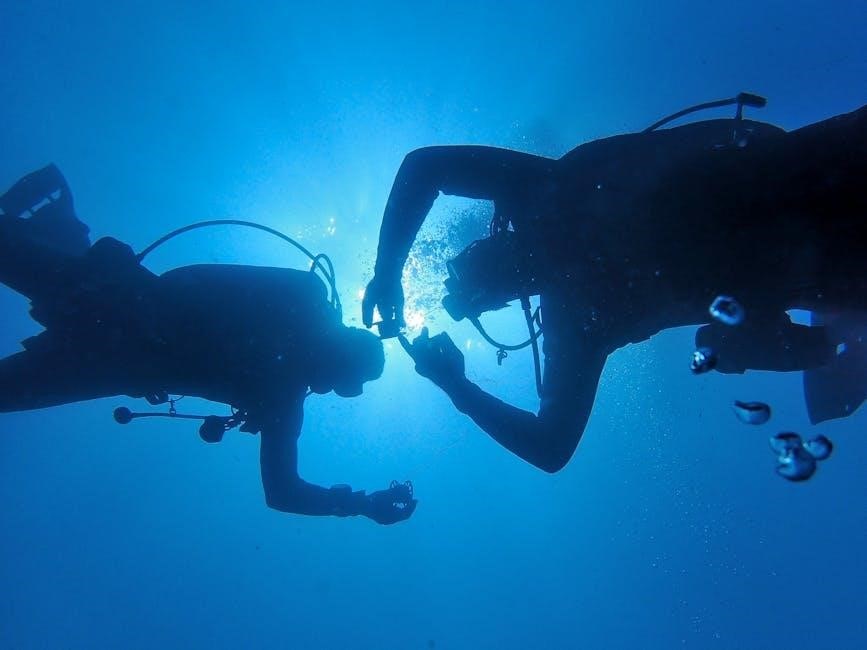
The U․S․ Navy Diving Manual thoroughly covers SCUBA systems, surface-supplied diving, and underwater communication technologies essential for safe and effective operations․
SCUBA Equipment Overview
The U․S․ Navy Diving Manual provides a detailed examination of Self-Contained Underwater Breathing Apparatus (SCUBA) equipment․ This includes comprehensive descriptions of regulators, crucial for delivering breathable gas at the correct pressure, and buoyancy compensators, vital for controlling depth․
The manual meticulously outlines the function and maintenance of cylinders, emphasizing safety checks and proper handling procedures․ It also details the importance of dive computers for monitoring depth, time, and decompression requirements․ Furthermore, the manual covers the selection and use of appropriate wetsuits or drysuits for thermal protection in varying water temperatures․
Proper mask and fin selection, along with the use of dive lights and instrumentation, are also thoroughly addressed, ensuring divers are equipped for a wide range of underwater scenarios․
Surface Supplied Diving Systems
The U․S․ Navy Diving Manual dedicates significant attention to Surface Supplied Diving Systems (SSDS), outlining their complexities and advantages for specific underwater tasks․ These systems deliver breathing gas, communications, and often hot water for thermal comfort directly from the surface․
The manual details the components of SSDS, including the low-pressure gas supply, communication panels, and umbilical cables․ It emphasizes rigorous pre-dive checks of all system components to ensure operational reliability and diver safety․
Procedures for diver tending, emergency gas supply switching, and decompression protocols specific to SSDS operations are thoroughly explained․ The manual also covers the role of the dive supervisor and the importance of clear communication between the surface team and the diver․
Underwater Communication Systems
The U․S․ Navy Diving Manual extensively covers underwater communication systems, recognizing their critical role in diver safety and operational effectiveness․ It details various technologies employed, from hard-wire systems offering reliable, clear communication to wireless options for increased mobility․
The manual outlines procedures for testing communication systems before each dive, emphasizing the importance of verifying signal clarity and functionality․ It addresses troubleshooting common issues and maintaining equipment to ensure consistent performance․
Standardized communication protocols, including voice commands and hand signals, are thoroughly described, promoting clear understanding between divers and the surface support team․ The manual also highlights the significance of redundant communication systems for emergency situations․
Diving Procedures
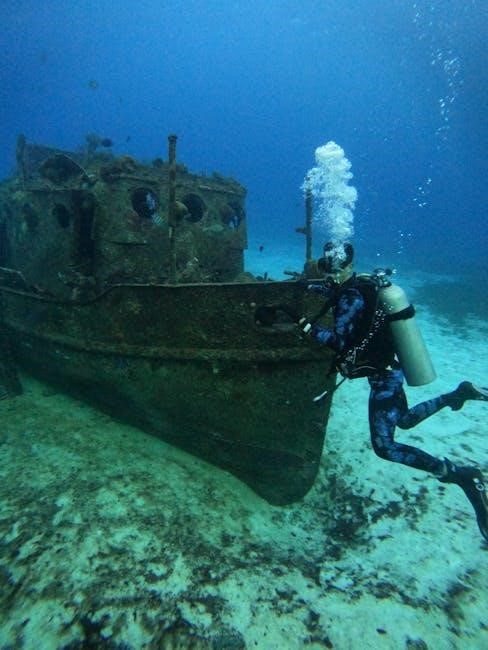
The U․S․ Navy Diving Manual meticulously details pre-dive checks, underwater navigation, and crucial emergency protocols, ensuring safe and effective diving operations․
Pre-Dive Inspection and Preparation
The U․S․ Navy Diving Manual emphasizes a rigorous pre-dive inspection process as paramount for diver safety․ This includes a thorough examination of all diving equipment – SCUBA units, surface supplied systems, and communication devices – to confirm operational readiness․ Divers must verify proper functionality of regulators, buoyancy compensators, and depth gauges․
Preparation extends beyond equipment checks․ The manual stresses the importance of a detailed dive plan, encompassing mission objectives, potential hazards, and emergency procedures․ A comprehensive briefing, covering hand signals, communication protocols, and contingency plans, is essential․ Furthermore, divers must assess environmental conditions, including visibility, currents, and water temperature, to anticipate challenges and mitigate risks․ Proper physical and mental conditioning are also crucial components of pre-dive preparation, ensuring divers are fit for the demands of the underwater environment․
Underwater Navigation Techniques
The U․S․ Navy Diving Manual details several underwater navigation techniques crucial for safe and effective operations․ Divers utilize natural navigation, referencing seabed features and observing marine life movement to maintain situational awareness․ Compass navigation is fundamental, requiring precise heading maintenance and accounting for underwater currents․
The manual also emphasizes the importance of triangulation, using fixed points to determine position and track progress․ Divers are trained in techniques like kick-count navigation, estimating distance based on fin kicks, and utilizing depth gauges to create underwater profiles․ Effective communication and buddy checks are vital for confirming navigation accuracy․ Mastering these skills ensures divers can confidently navigate complex underwater environments, return to the surface safely, and accomplish their mission objectives․
Emergency Procedures and Rescue Operations
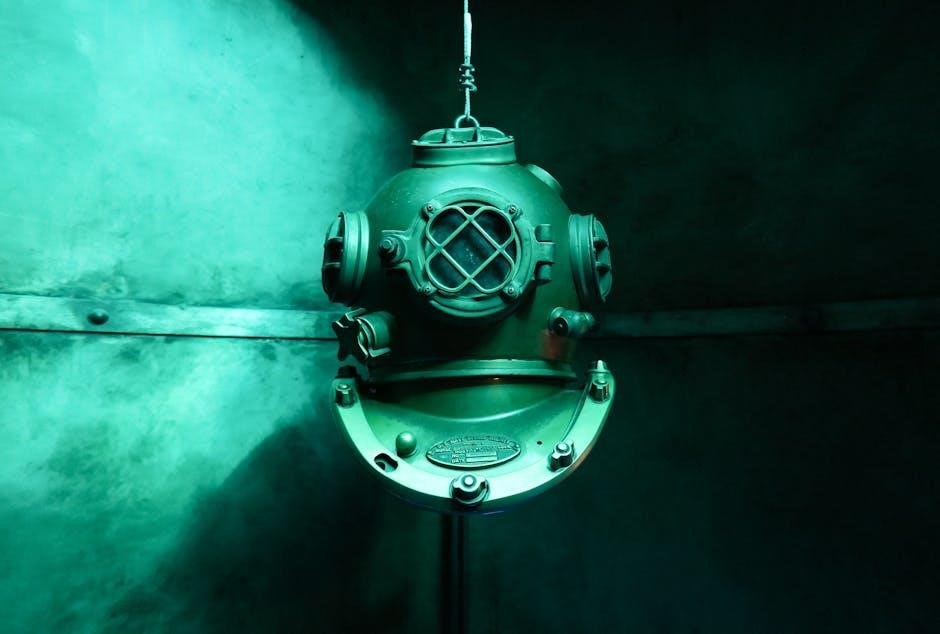
The U․S․ Navy Diving Manual dedicates significant attention to emergency procedures and rescue operations, recognizing the inherent risks of underwater work․ It outlines protocols for managing equipment failures, including SCUBA malfunctions and surface-supplied air system issues․ Divers are trained in buddy breathing techniques and emergency ascents, prioritizing controlled and safe returns to the surface․

The manual details procedures for responding to diver-in-distress scenarios, encompassing rapid ascent techniques, oxygen administration, and immediate medical attention․ It emphasizes the importance of pre-dive emergency planning, including establishing clear communication signals and designated roles for rescue personnel․ Regular drills and simulations are crucial for maintaining proficiency in these life-saving procedures, ensuring a swift and effective response to any underwater emergency․
Specialized Diving Operations
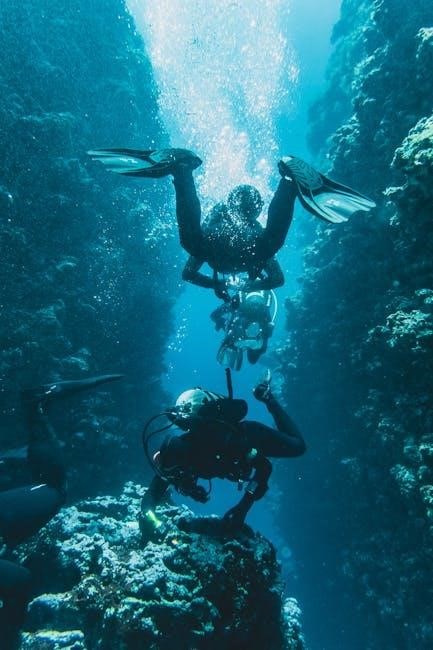
The U․S․ Navy Diving Manual covers advanced techniques like saturation diving, ship husbandry, and combat diving, demanding specialized training and equipment․
Saturation Diving Principles
Saturation diving, as detailed within the U․S․ Navy Diving Manual, involves living in a pressurized environment for extended periods․ This process allows divers to work at great depths for prolonged durations, minimizing decompression time upon surfacing․ The manual meticulously outlines how tissues become fully saturated with inert gases at depth, necessitating carefully controlled ascent rates․
Key principles include maintaining a constant partial pressure of gases within the habitat and utilizing specialized chambers for decompression․ The manual emphasizes the importance of precise gas mixtures, monitoring physiological responses, and adhering to strict protocols to prevent decompression sickness․ It also covers the logistical challenges of providing life support and maintaining a habitable environment for divers during these lengthy underwater operations, ensuring diver safety and mission success․
Ship Husbandry Diving
Ship Husbandry Diving, as comprehensively covered in the U․S․ Navy Diving Manual, encompasses underwater inspections, maintenance, and repair of naval vessels․ Divers perform critical tasks like hull cleaning, propeller inspections, damage assessment, and underwater welding․ The manual details specific procedures for working around energized systems and hazardous materials, prioritizing diver safety and preventing environmental contamination․
It outlines the necessary equipment, including specialized tools and underwater cameras for detailed inspections․ Strict adherence to safety protocols, including buddy systems and pre-dive checklists, is emphasized․ The manual also addresses the logistical considerations of supporting these operations, such as surface support vessels and diving supervision, ensuring efficient and effective ship maintenance while upholding the highest safety standards․
Combat Diving Techniques
Combat Diving Techniques, detailed within the U․S․ Navy Diving Manual, focus on specialized underwater operations for military objectives․ This includes covert infiltration and exfiltration, reconnaissance, and underwater demolition․ The manual outlines advanced techniques for navigating in zero-visibility conditions, utilizing specialized equipment like closed-circuit rebreathers, and employing stealth tactics to avoid detection․
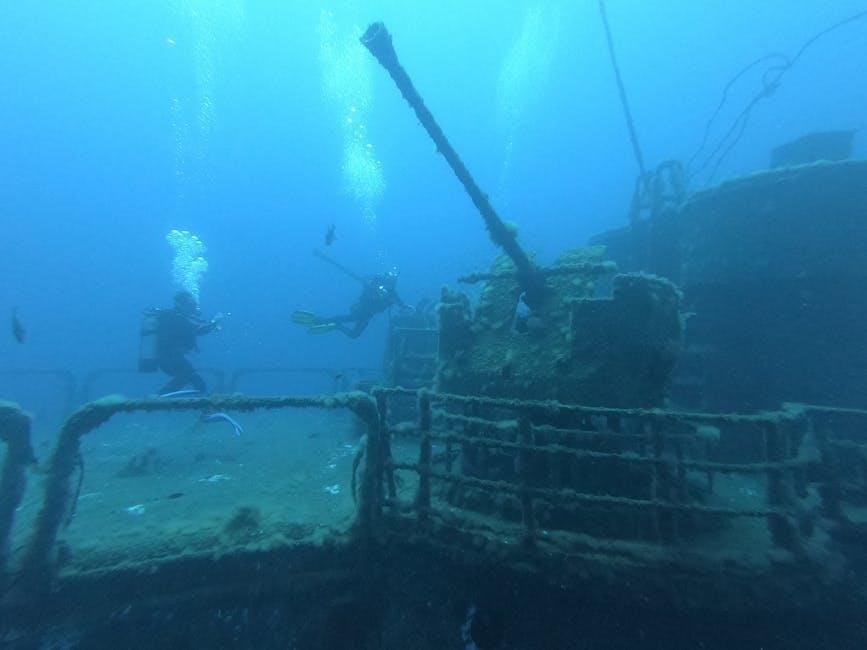
Emphasis is placed on physical and mental conditioning, team coordination, and the ability to operate effectively under pressure․ Procedures for underwater communication, obstacle breaching, and weapons handling are thoroughly described․ The manual stresses the importance of mission planning, risk assessment, and adherence to strict operational security protocols, ensuring successful and safe execution of sensitive underwater missions․
NAVSEA and Diving Support
NAVSEA, the Naval Sea Systems Command, plays a crucial role in maintaining diving facilities, equipment, and providing comprehensive training, as outlined in the manual․
Role of Naval Sea Systems Command (NAVSEA)
The Naval Sea Systems Command (NAVSEA) stands as the largest of the U․S․ Navy’s five system commands, employing a vast workforce of over 84,000 personnel – civilians, military members, and contract support staff․ Its primary function, as detailed within the U․S․ Navy Diving Manual’s supporting documentation, centers around the complete lifecycle management of naval ships and submarines․
This encompasses not only the engineering, building, and procurement of these vessels, but also their ongoing maintenance and the crucial integration of their complex combat systems․ Specifically relating to diving operations, NAVSEA is responsible for establishing and overseeing the standards for diving equipment, facilities – including the vital diving rooms – and the rigorous training programs necessary for safe and effective underwater work․ NAVSEA’s influence ensures the U․S․ Navy maintains a world-class diving capability․
Diving Room Facilities and Equipment
Diving rooms, as outlined in the U․S․ Navy Diving Manual, are specialized facilities crucial for supporting both surface-supplied and saturation diving operations․ These rooms serve as central hubs for gas supply, communications, and diver monitoring․ Essential equipment includes high-pressure air compressors, gas blending panels for creating specialized breathing mixtures (like heliox), and extensive monitoring systems to track diver depth, location, and physiological status․
Furthermore, diving rooms house recompression chambers for treating decompression sickness, along with life support systems and emergency medical equipment․ The manual details stringent safety protocols for maintaining these facilities, ensuring a controlled environment for diver preparation, during-dive support, and post-dive recovery․ Proper operation of the diving room is paramount for diver safety․
U․S․ Navy Dive School Training
U․S․ Navy Dive School, referenced within the Diving Manual, provides rigorous training for personnel involved in underwater operations․ The curriculum, as implied by available video resources, covers a broad spectrum of skills – from open-circuit and closed-circuit SCUBA diving to surface-supplied diving techniques and underwater demolition․ Trainees learn comprehensive dive planning, emergency procedures, and the physiological aspects of diving, including decompression theory and the hazards of oxygen toxicity and nitrogen narcosis․
The school emphasizes practical application, with extensive in-water training․ Graduates are prepared to support a variety of missions, including salvage operations, ship husbandry, and combat diving, all guided by the principles detailed in the U․S; Navy Diving Manual․